Type: Cake decorating
Materials: Cake, fontant, frosting
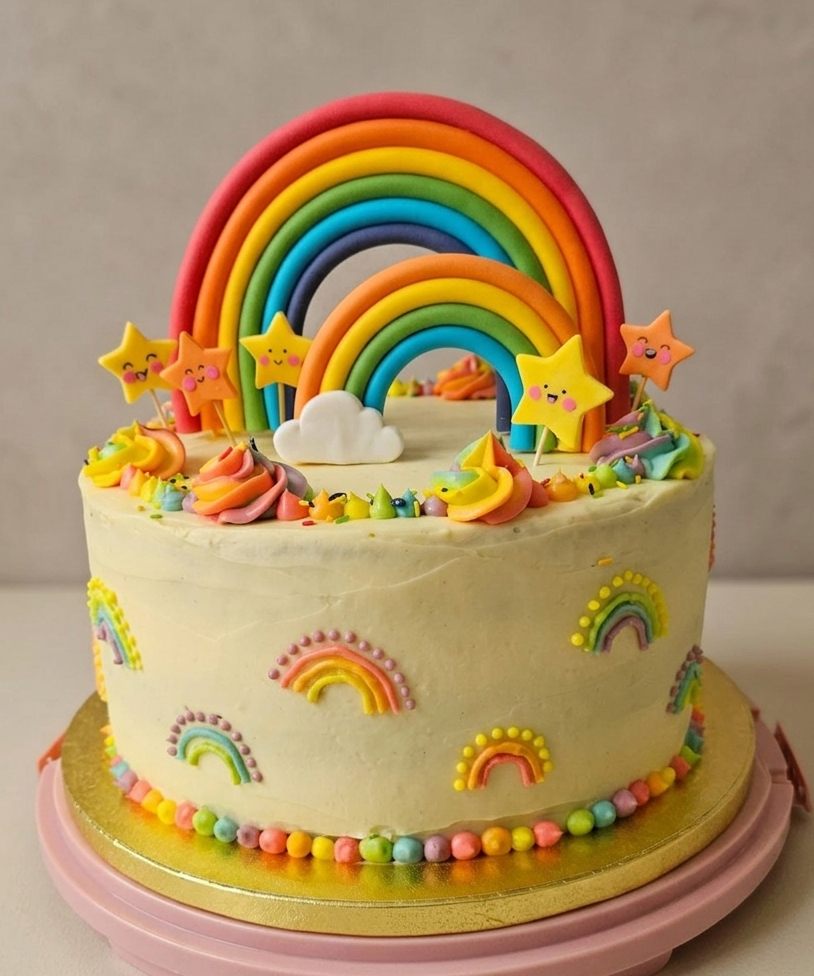
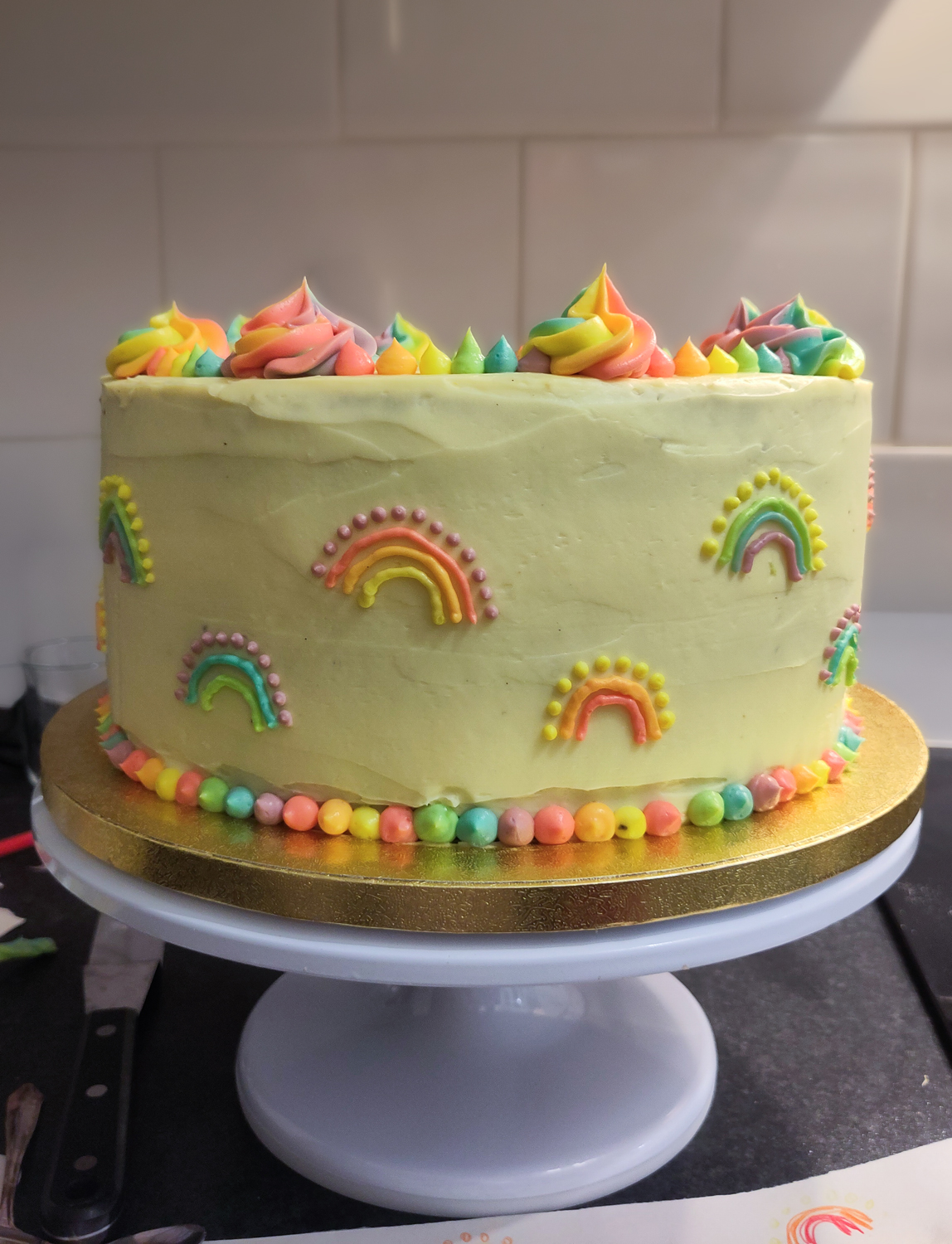
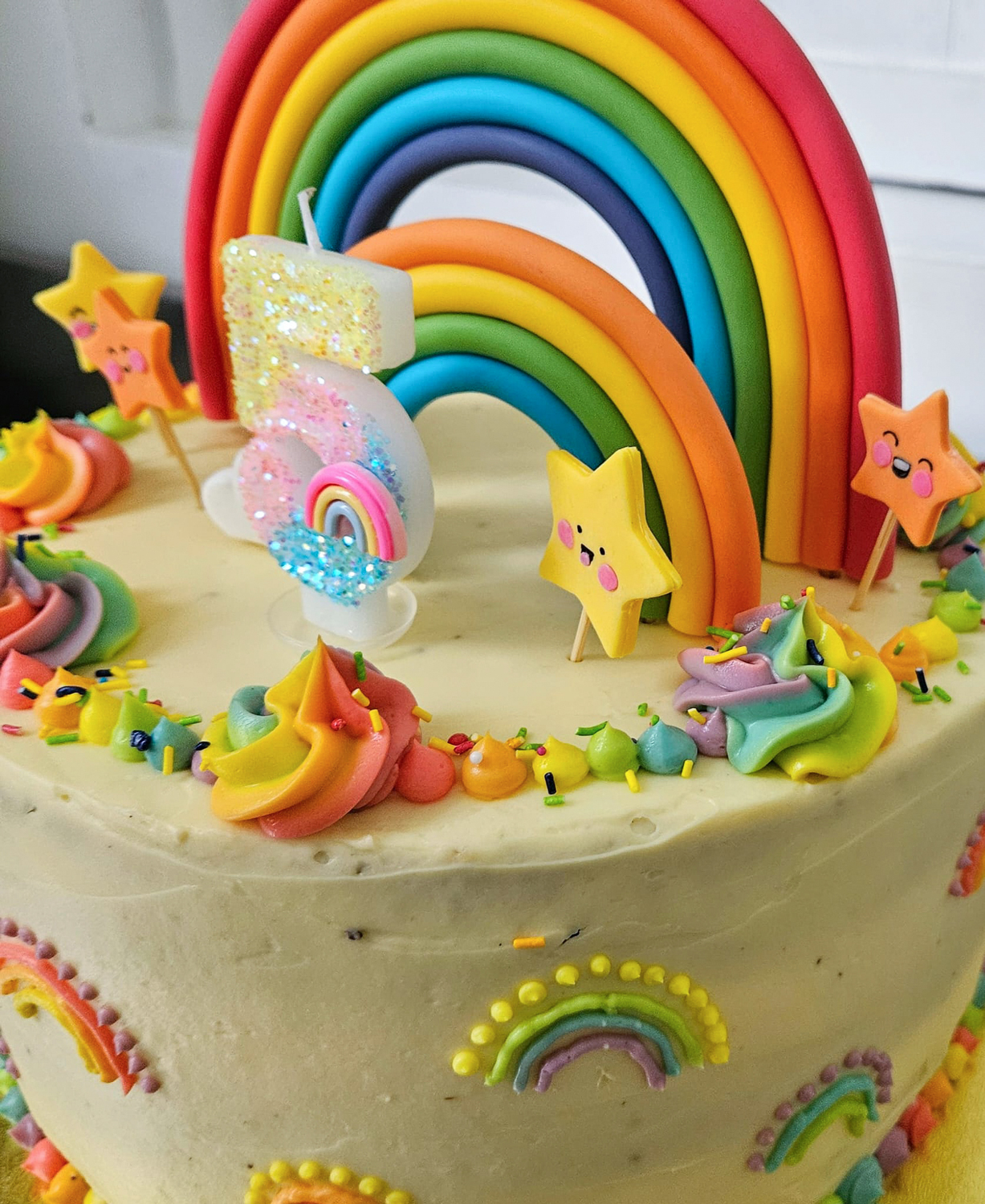
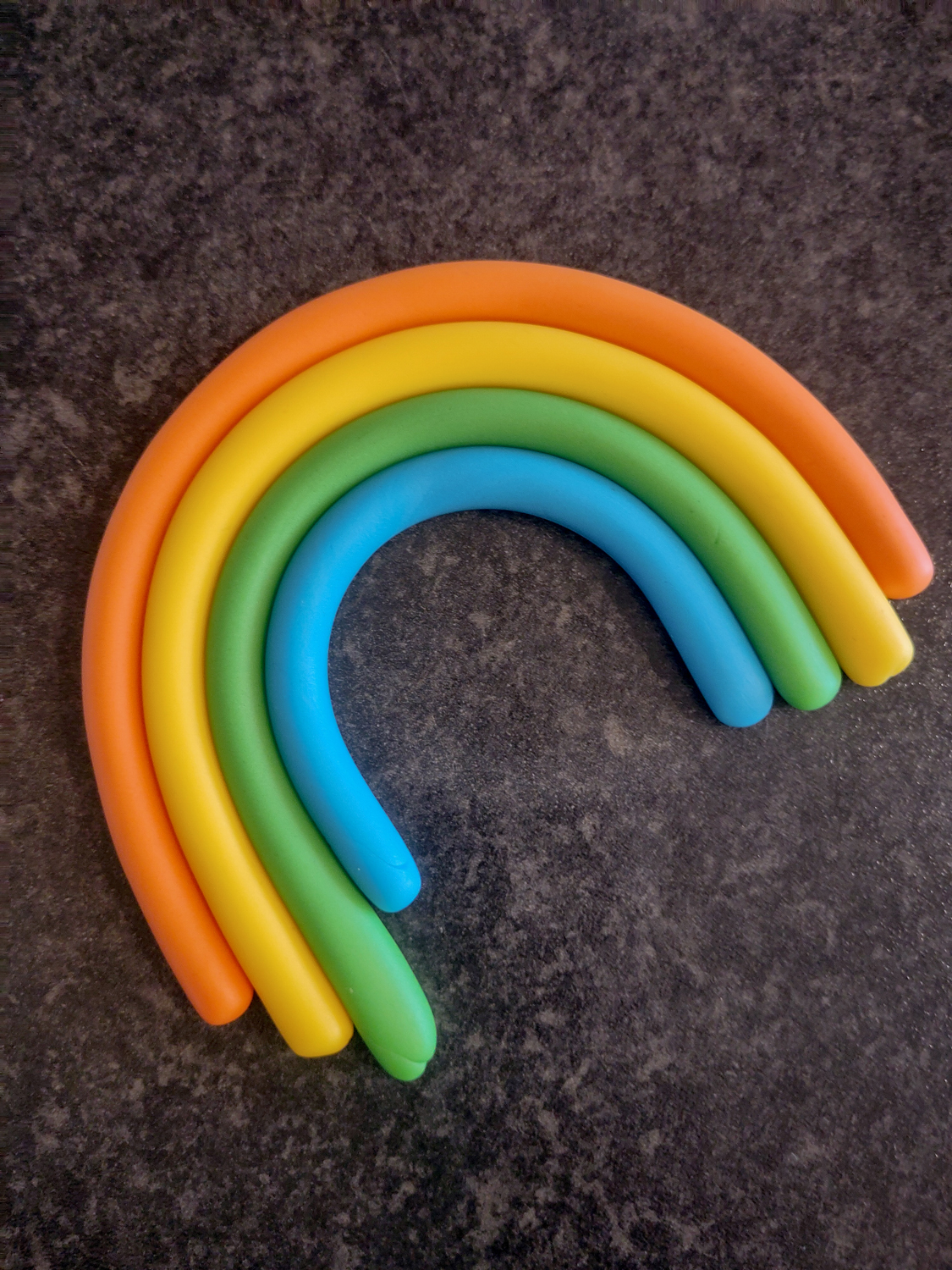
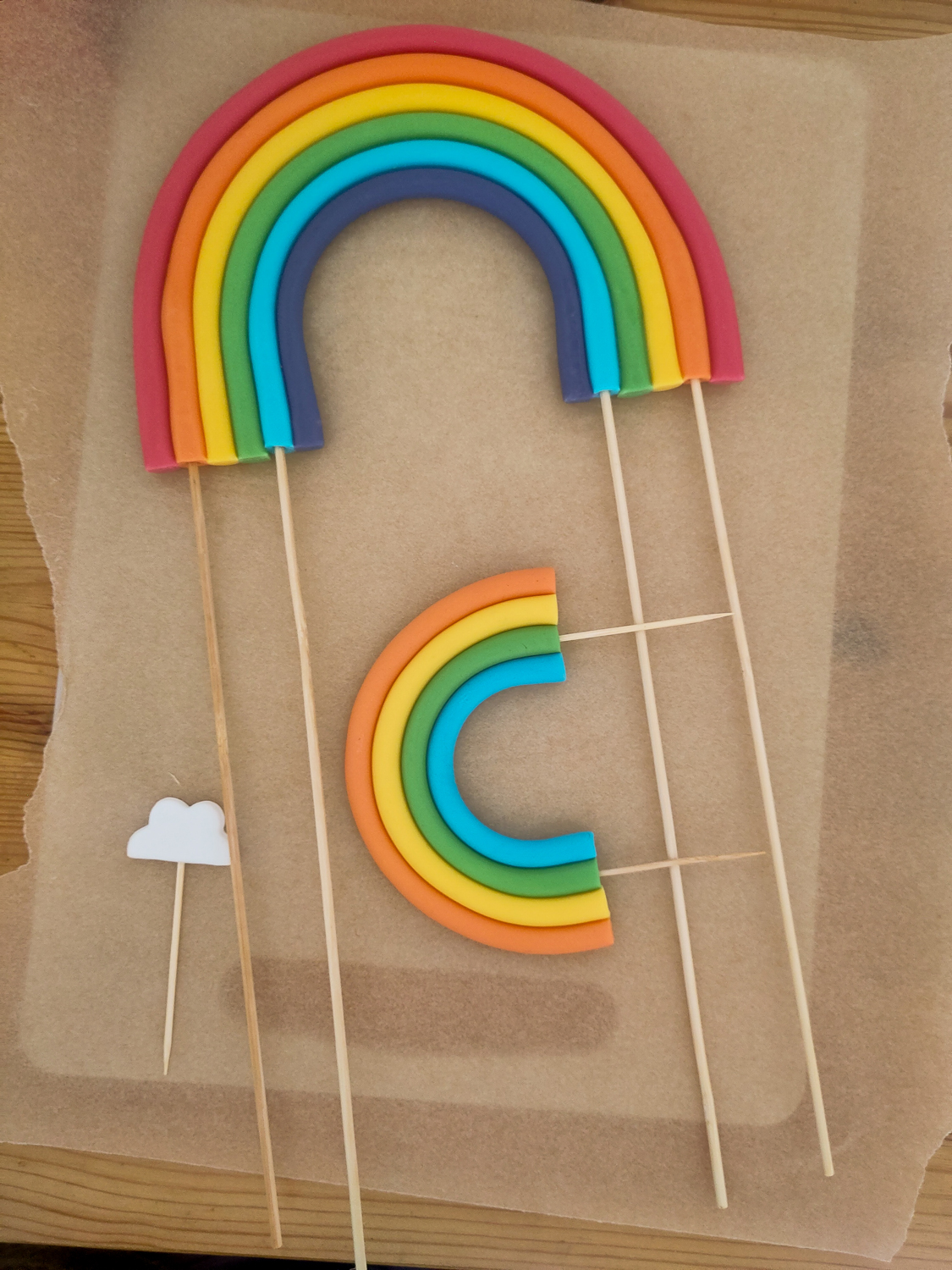
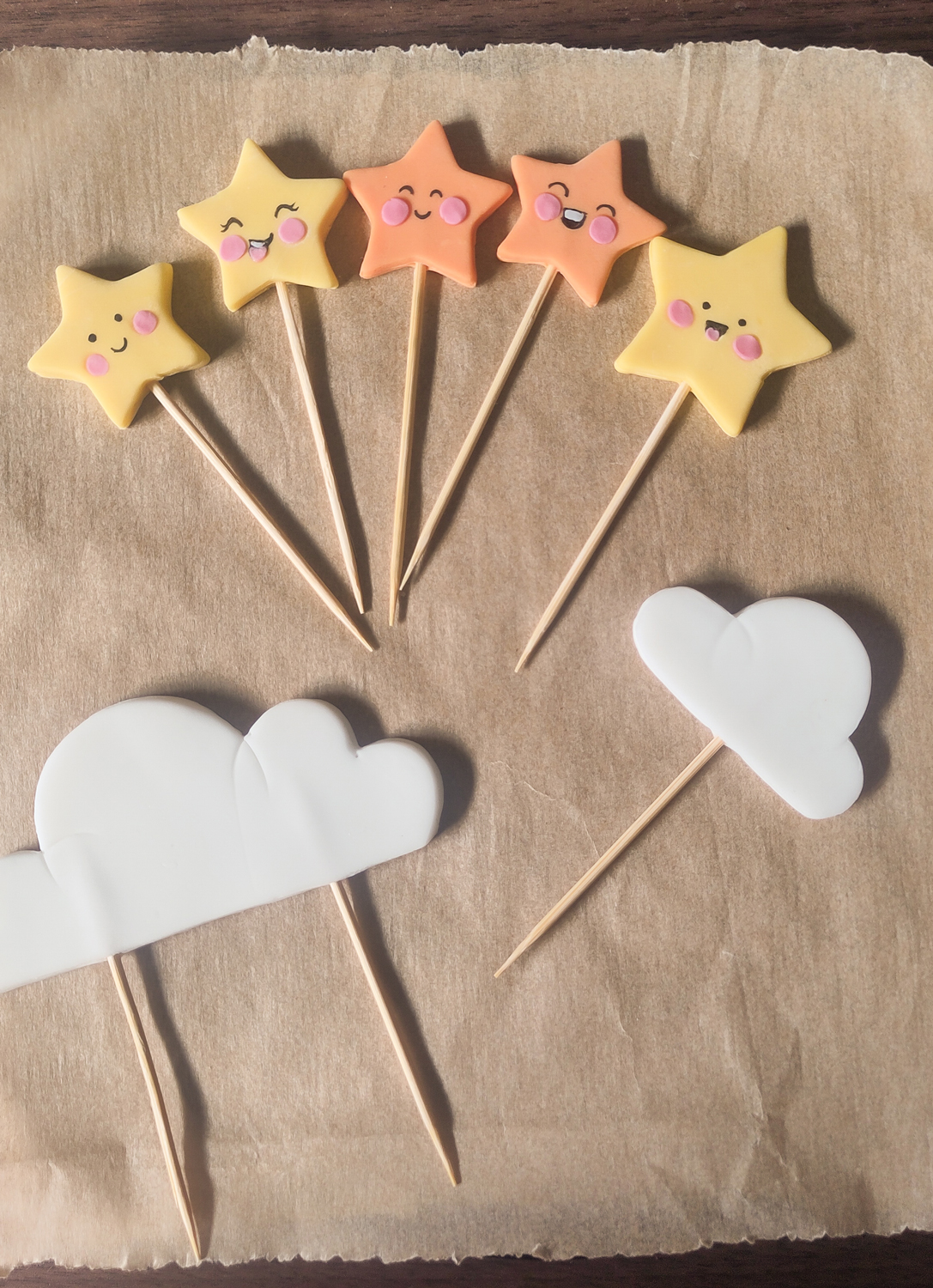
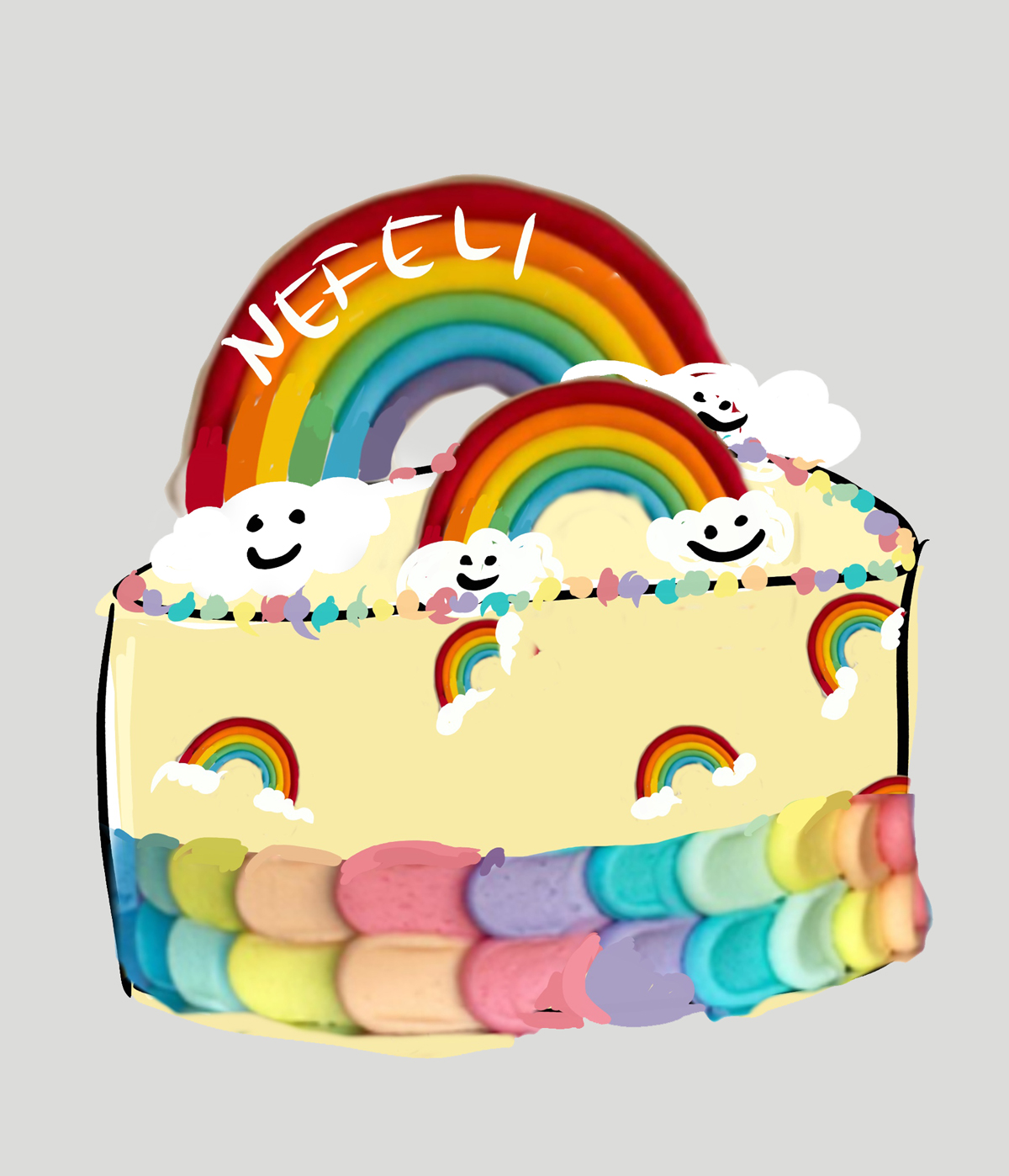
This cake was for the same little girl for whom I made the pandacake. With her birthday approaching, she asked whether I could make her a cake again this year. After the mild trauma from the pandacake, her mum, my friend, looked slightly alarmed and replied:
“Now, have you even asked Julia if she wants to make your cake again this year?”
Yes, of course I wanted to make her cake. I told myself this year would be different. I’d keep it simple. I wouldn’t go overboard. I wouldn’t stress.
But it’s not the cake. It’s me.
It was not simple, I did go overboard, and I did stress.
Not for the obvious reasons though. It wasn’t the decoration, it wasn’t the toppers, it wasn’t the technique. It was the blasted cake.
I decided on chocolate cake with vanilla ermine frosting. Simple, cost-effective and not too sweet. I baked a test cake. 25 minutes in the oven. It was perfect. I was pleased and promptly forgot about cake for a number of weeks.
With the party approaching, it was time to get things going: bake the sponges in advance and freeze them, to avoid any last-minute surprises.
So, what happened?
I decided it was too simple. Let’s add a vanilla rainbow cake layer, so that when you cut into the cake you get a surprise rainbow!
Utterly self-inflicted.
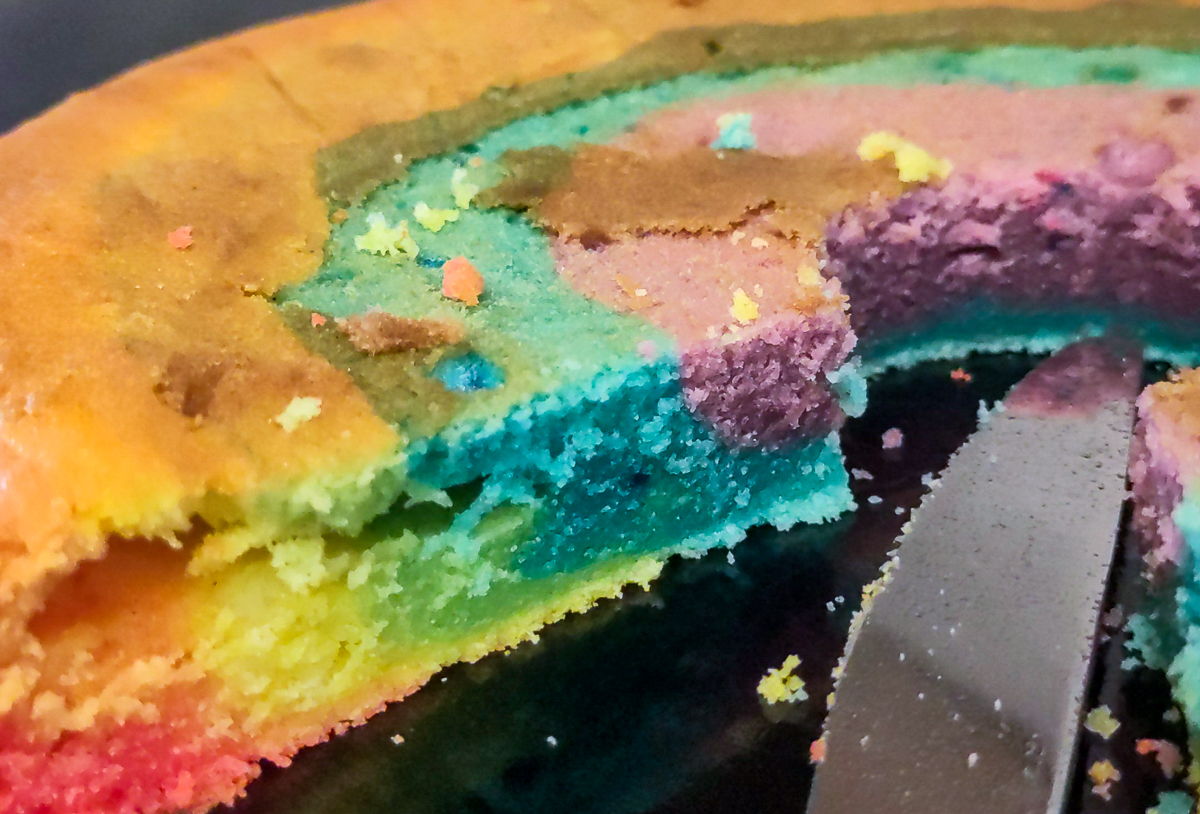
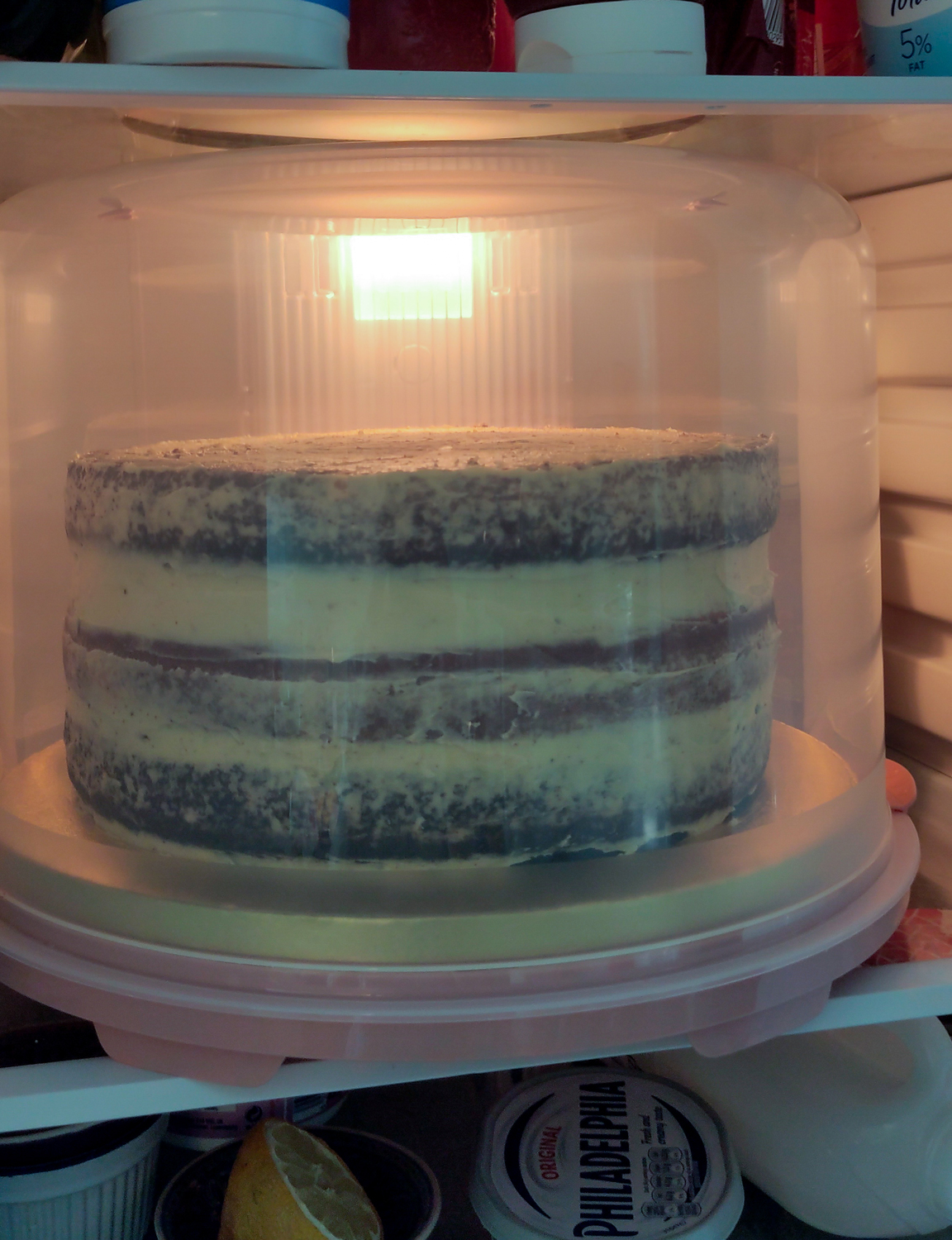
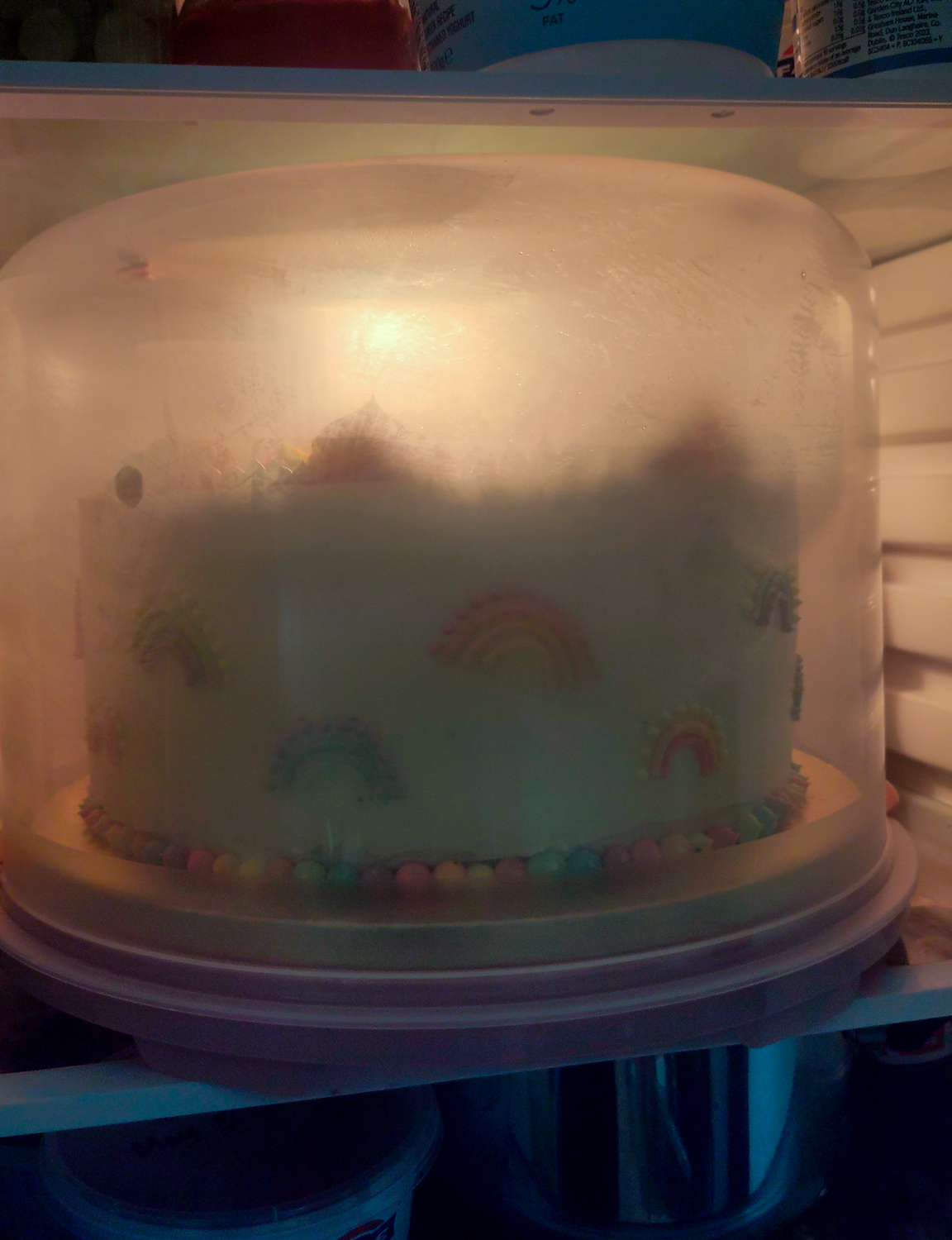
I will spare you the details of all the things that went wrong (you might get an idea from the pictures), but I baked that rainbow layer at least five times before I got a passable version.
And, spoiler alert, it was wholly anticlimactic. The rainbow was dull, faded and barely noticeable, and the sponge was dry and dense.
I have never eaten so much cake in my life. What we couldn’t possibly eat I froze, and when there was no more space in the freezer, I sliced it, double-baked it and distributed it amongst my neighbours.
Rusks for everyone!
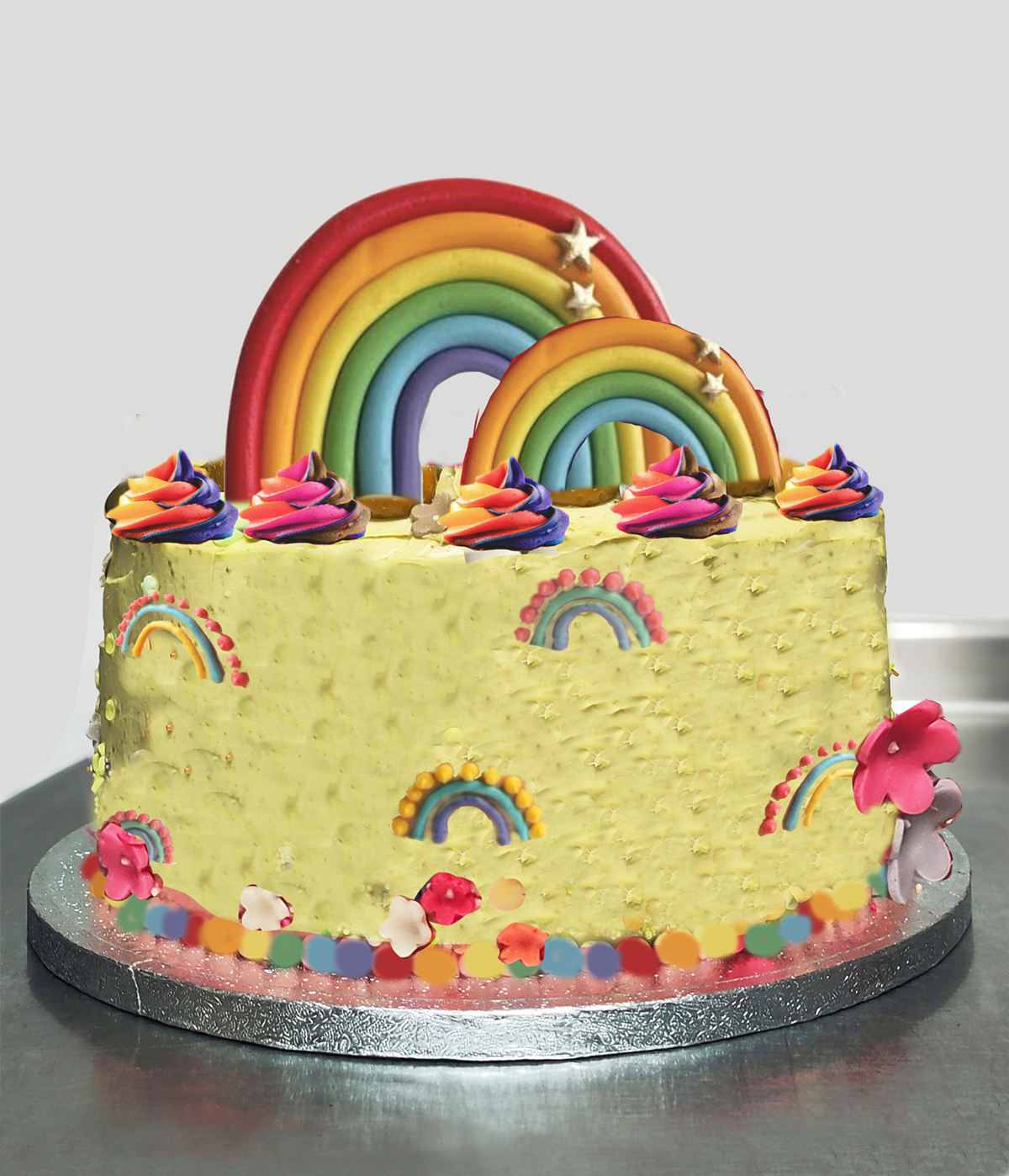
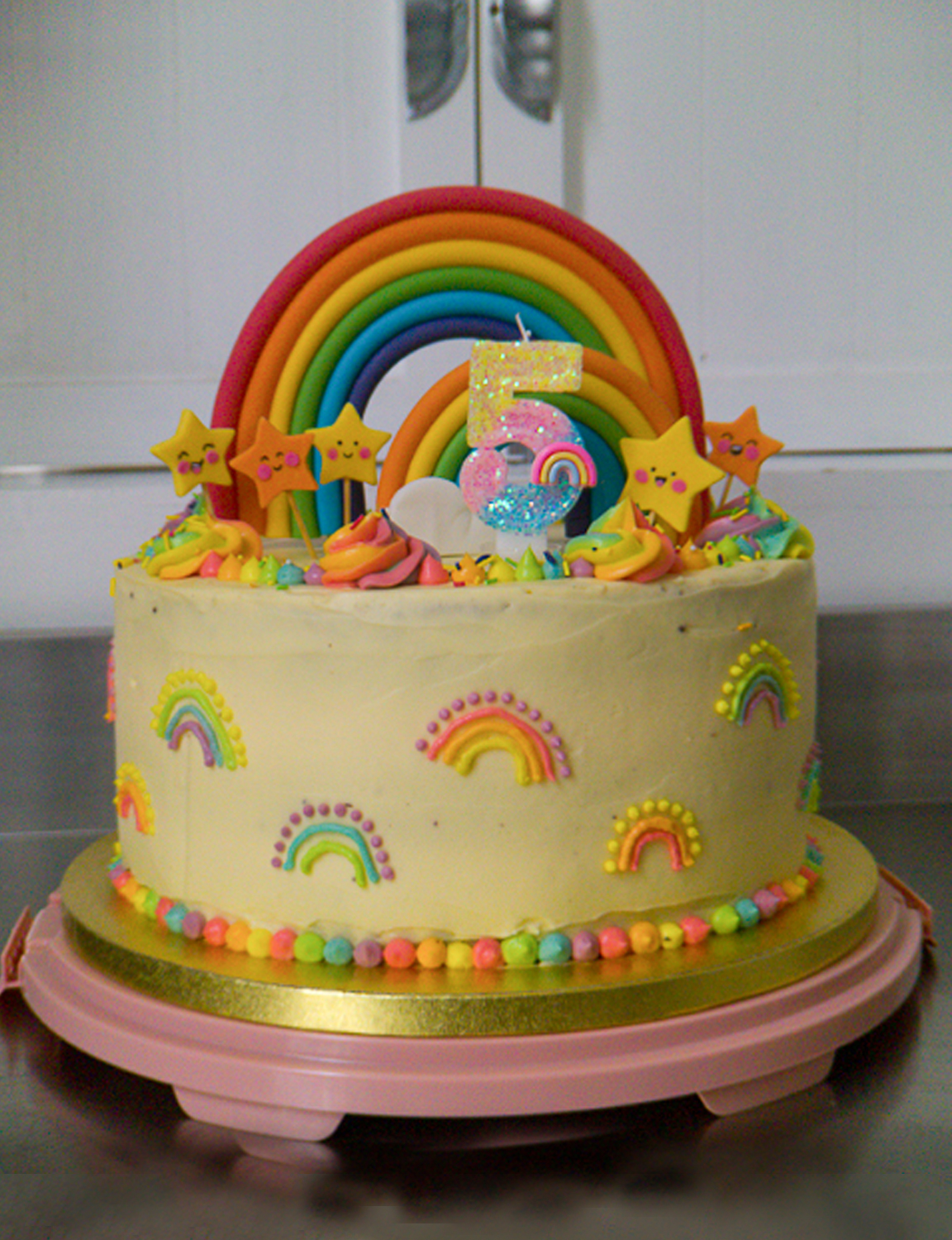
Luckily the decorations went without much of a hitch. Then came the chocolate layer. After my initial test bake, I had a false sense of security.
First cake: severely underbaked.
Had I made a mistake?
I baked it again.
Same thing.
What was I doing wrong?
“It must be my oven,” I thought.
I bought an oven thermometer.
To be sure.
Baked another layer.
Same thing.
Time to pull out all the stops.
I DIYed a cake collar with tin foil, stuck a flower needle in the middle as a heat conductor, and measured the core temperature when pulling it out of the oven.
Rejoice!
A cake.
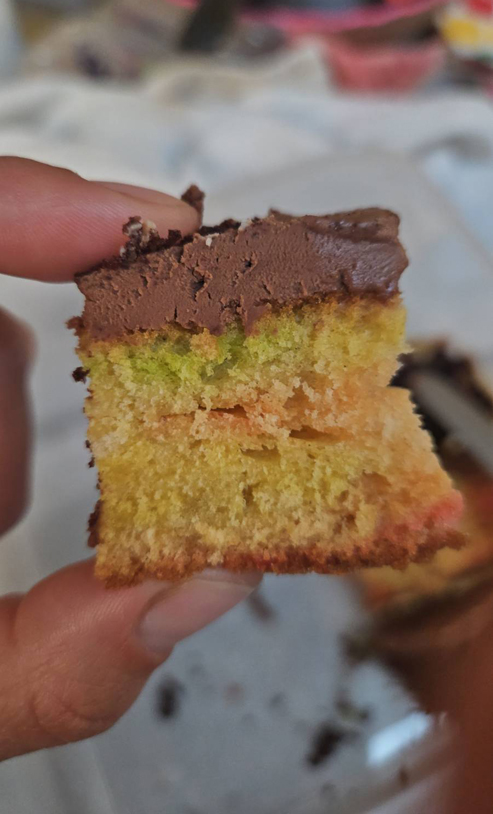
The cake came out beautifully: moist, dark, chocolatey. I baked another layer. Another success. I was thrilled. Finally.
By this time, I was cutting it a bit fine: two days away from the party, with a full schedule ahead. Thank goodness the cakes were okay. I had won the battle. No need for stress. All good. Right?
Wrong.
It was quite late already, post-dinner, during washing up, when I couldn’t resist snacking on some crumbs from the cake tin.
It was delicious.
A few moments passed.
“Hang on, this tastes a bit bitter.”
Was it bitter?
The more time passed, the more I convinced myself that the cake was bitter. Inedibly so. I started googling how much baking soda was normal for a cake.
Wait.
Mine had much more.
But it was the same recipe as always? How could this happen?
By this time, I felt like I had chewed a paracetamol.
I panicked.
My instinct told me: bake another cake.
But it was close to midnight. I had baked an unreasonable amount of cakes already. By this point I had lost count. How many more could I bake?
My partner, watching from a distance, intervened. He tasted the crumbs.
“They taste good.”
I believed him and went to bed.
The next day, doubt started creeping in.
I took the frozen cake out of the freezer, sliced off a sliver from the dome and tasted it again.
Relief.
It was delicious.My partner tasted it. He agreed. I put the cake back.
Slowly, the bitter crept in again.
We already had plans for the day. I had no time to rebake.My partner insisted it tasted fine. By this point, I had stopped believing him, but ignored my inner voice and carried on with my day.
Evening came. Time to assemble the cake for the next day’s party. I felt ridiculous, certain I was elaborately decorating an inedible cake. That the children were going to spit it out. The guests would be horrified. My friend would be disappointed, politely so, but disappointed nonetheless.
Birthday ruined.
It would make the history books. Maybe I’d even poison the children. They’d all have baking soda poisoning. (I googled it. Much to my relief, the amount of baking soda in the cake was not lethal.)
The next day came. The party began.
I had a wonderful time, briefly relaxing in the knowledge that cake happened at the very end of the party. Even if it was a disaster, I wouldn’t have to spend the entire afternoon as the girl who baked the awful cake.
Until then, I was safe.
Cake-cutting time was approaching.
I was getting more nervous.
I had voiced my concerns about the bitterness, but no one took me seriously, assuming I was just being modest.
At one point I even thought: Well, that’ll show them for dismissing my concerns!
Candles were lit.
The singing began.
I was sweating.
Back in the kitchen, cutting the cake, I was grateful to be away from the inevitable looks of horror when everyone tasted my abysmally bitter creation.
A few minutes passed.
No one said anything.
The cake was delicious.